

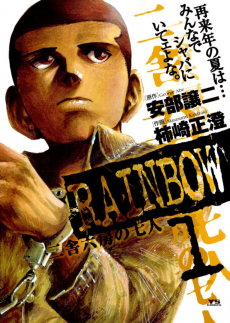
RAINBOW: NISHA ROKUBOU NO SHICHININ
STATUS
COMPLETE
EPISODES
26
RELEASE
September 29, 2010
LENGTH
23 min
DESCRIPTION
Seven teenagers in 1955 have to learn to live together in the same hold in the reformatory of Shounan. Confined in a hall where suffering and humiliation are daily, they are waiting for a ray of hope in a dark, incarcerating world. The story follows their life together and how they move on afterwards.
CAST
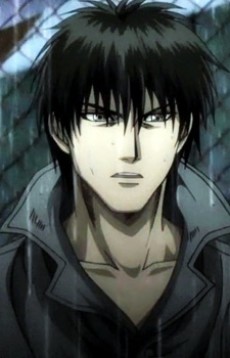
Rokurouta Sakuragi
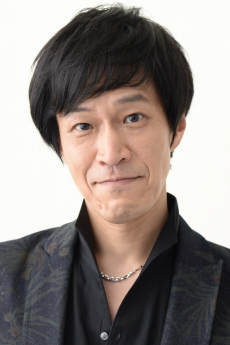
Rikiya Koyama

Mario Minakami

Shun Oguri
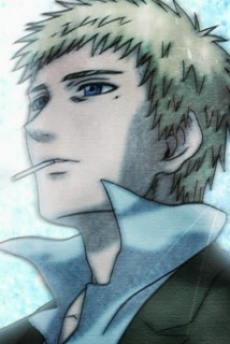
Jou Yokosuka

Tatsuya Hasome
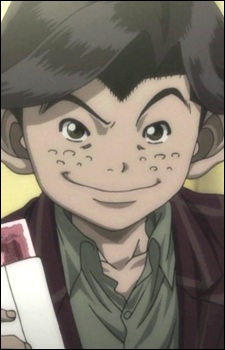
Noboru Maeda

Romi Park
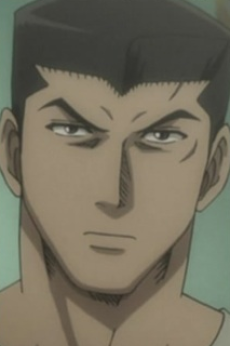
Tadayoshi Tooyama

Takaya Kuroda
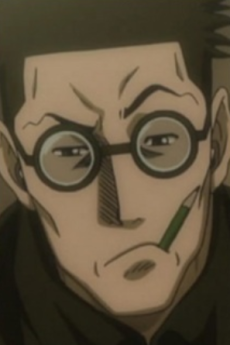
Ryuuji Nomoto
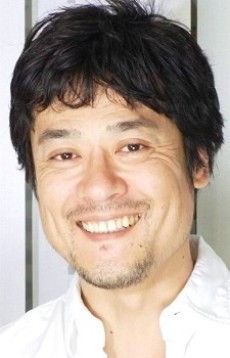
Keiji Fujiwara
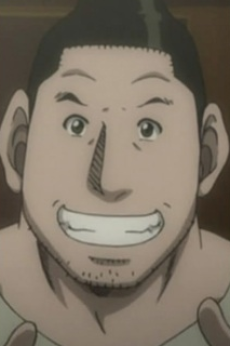
Mansaku Matsuura

Tomohiro Waki

Narrator

Megumi Hayashibara
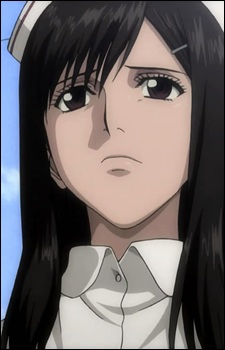
Setsuko Koike

Shihori Kanjiya

Megumi Yokosuka

Megumi Toyoguchi
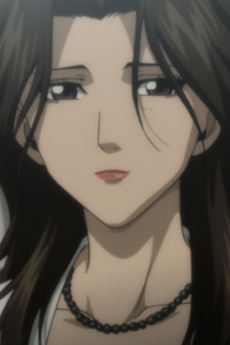
Lilly

Kaori Yamagata
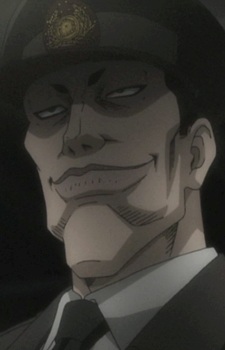
Ishihara
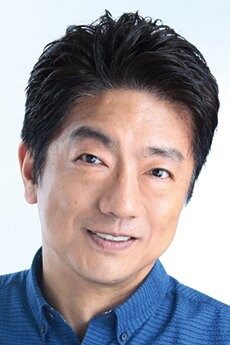
Kouji Ishii
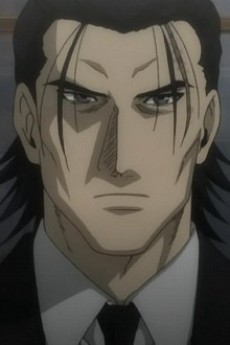
Aritou
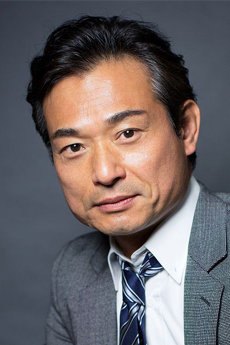
Masaki Terasoma
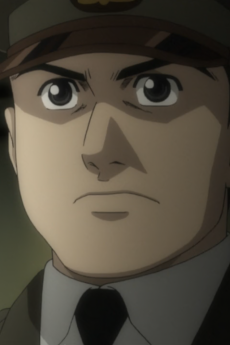
Kumagai

Tsuyoshi Aoki
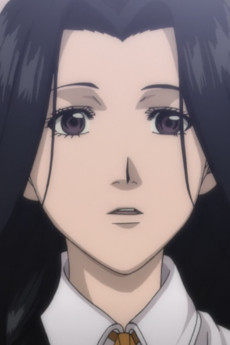
Junko Yoshida

Houko Kuwashima
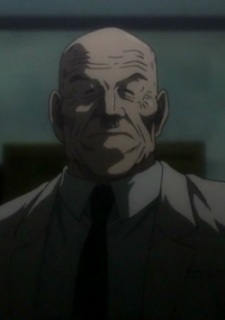
Gisuke Sasaki

Takaya Hashi
EPISODES
Dubbed

Not available on crunchyroll
RELATED TO RAINBOW: NISHA ROKUBOU NO SHICHININ
REVIEWS

Grizy
A colorful and enjoyable story about true friendship and bonds that sometimes doesn't reach its full potential.Continue on AniListRainbow: Nisha Rokubou no Shichinin or Rainbow for short is a story set in 1950s Japan about seven delinquents who get sent to a reformatory school which at first glance seems nothing short of some of the worst juvenile detention centers. Right in the first 5 minutes of the first episode viewers are led to believe they are not in for a happy ride. This review will contain minor spoilers but nothing that will ruin your enjoyment of the show so be at ease.

THE STORY AND CHARCTERS Our story starts off with six of our seven main characters being sent to the reformatory school where they meet our seventh main character "An-chan" in cell 2-6. Now if you have watched any piece of entertainment before it won't be hard to notice the "good guys" and "bad guys". It doesn't get more black and white than that and the anime sticks to the rule that good guys are entirely good and bad guys bad. The head physician of the institute is...well let's say manipulative and the guard in charge of cell 2-6 is a regular "bad guy, detests the cellmates for some reason" type of person.
Slowly we get to know about the circumstances of every character and how they ended up where they are right now and this is where we can start to notice some plot holes and inconsistencies. I will go over them at the end. After hearing their backstory it becomes even more clear that the writer is really trying to push that all of the main characters don't have an ounce of evil in them and we're supposed to like them. Fair enough, I like simple characters from time to time.
Throughout the course of their stay our protagonists bond more and more with each other and share their dreams which they hope to reach when they get released from the center. Because of such bonds they are even able to handle the brutal treatment given to them by "Ishihara", the guard in charge of their cell and sometimes willingly sacrifice themselves to help each other. Finding that small ray of hope despite the grim situation of the characters is what made me look forward the most to new episodes.
The second half of the show is our “disciplinary school graduates” trying their hardest to reach their dreams and they all help each other at every step of that. Each character (except Soldier (┬┬﹏┬┬) ) gets a small arc dedicated to them but these arcs get very repetitive and predictable. They all start with our main characters in some problem or facing unfair treatment but triumph over every problem with the power of friendship. Not to mention the reliance on “Mario” is a bit too much and Soldier and Joe barely get any screen time (at least Joe had an arc. Soldier got done dirty). The characters don’t go through any growth either and they’re the same as they were in episode one.
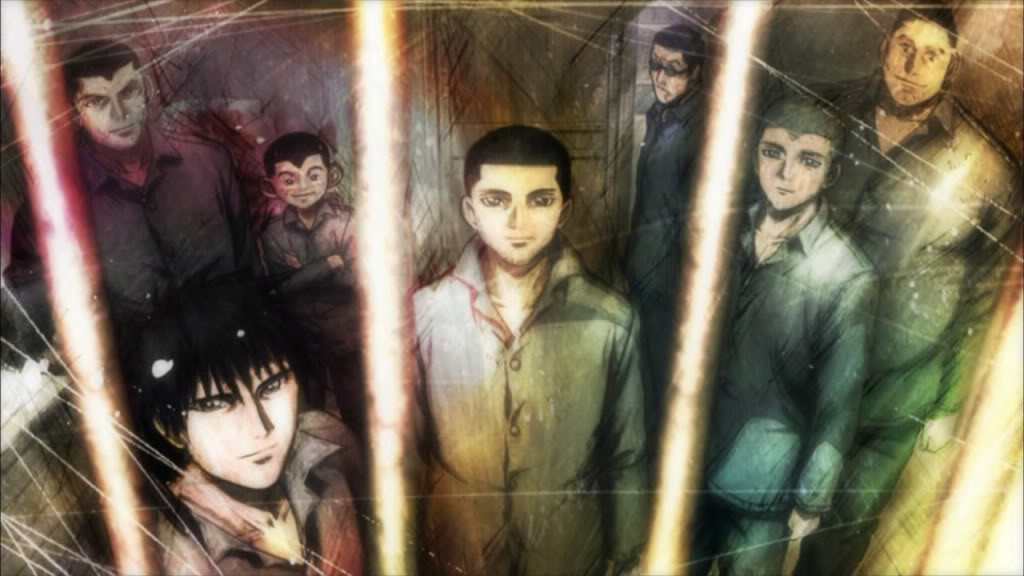
THE ART AND MUSIC There’s not much to say about the art of the show since it’s nothing unique. The only thing that comes to mind is the obviously “evil” character designs for the bad guys and normal designs for the good guys. The music is very good and amplifies the emotion portrayed in every scene by a lot. There’s also a lot of narration present which may be a hit or miss for people but I liked the addition.
THE NOT SO GOOD PART ABOUT THE SHOW This part will have a bit more spoilers than the rest of the review.
As I mentioned above there are a lot of plot holes and inconsistencies in the show. Firstly why didn’t An-chan just stay quiet when he received the note and waited for his release and then showed it to the police. He clearly isn’t dumb enough to not do that. The second time also he could’ve just stayed in the hospital for one month and then get released but instead decided to come back and receive way worse treatment than he would’ve at the hospital. He also made the situation worse for the rest of the characters even if we ignore the grand escape.
The physician Dr. Sasaki also has way too much power and we never see anyone else exercise any sort of control over the institute. The good guard Kumagai was very easily killed and neither did the main characters show any hint of sadness nor did the police conduct any investigation. The show just forgot about him. Poor guy. Speaking of police, they serve a purpose only when it’s convenient for some character. When Joe admitted to the orphan manager raping him the police guards standing there didn’t take any action. Dr. Sasaki admits that police will conduct an investigation 48 hours after someone from the center escapes but that didn’t happen with our cast. No investigation occurred for the huge fire either.
When An-chan emptied the gun near the military camp surely someone must’ve heard him right? In the second half of the show the person who attacked the bar manager and Mario was clearly at fault and could’ve very easily been detained as there was enough evidence. Baremoto also trusted a prostitute too easily and decided to ignore the advice of his friend when the show puts so much emphasis on the importance of friendship and the bonds our delinquents developed. None of the characters did anything when he straight up disappeared for a month either. Some friendship.
Overall this show is very enjoyable and I love how the characters slowly bond over the course of the show but it does have a lot of plot inconsistencies and very simple characters. So as long as you don't mind them or can't notice them you will have a great time.

alized
in a life detriment by the horrors of the miserable,unknown and unfaithful. their bond is their treasureContinue on AniListreview contains no spoilers
“I wonder…what they are doing right now. There were seven men who survived rather grand days at the bottom of the cauldron of hell, inside a cell, fifty years ago.
Dark, gritty, and powerful is how i would describe this show. the dark tone of this anime leaves almost no time for any comedy. this show is a good portrayal of post WWII Japan and of general Japanese-American sentiment. its a story of 7 friends facing lifes struggles by sticking with each other till the end even in the most cruelest moments of tragedy. Trust is something that is earned. This anime teaches you that even though people and this world may be cruel, there is a friend in this world that you are destined to meet. This friend will always have your back and stick with you through the very end. Even if you do not have that friend right now, this anime becomes that comfort for you.
it is not one of those animes you watch for its escapism or happy entertainment value, its one of those Animes with serious themes and really makes you contemplate and ponder about the brutal realities in life. Rainbow is categorised in the Seinen genre as it does unquestionably appeal to a mature male demographic because of the grim, dark and rebellious undertone throughout the series, so be warned about its explicit imagery considering there are many explicit scenes highlighting r*pe, torture, psychological abuse and more.
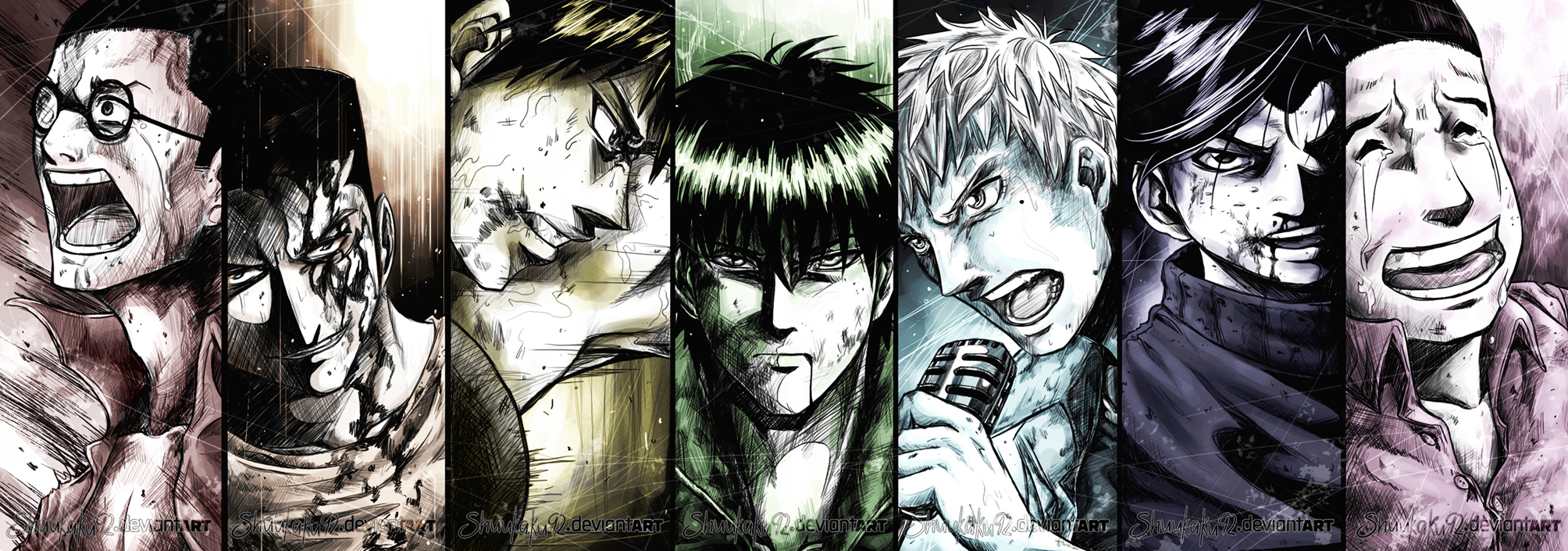
every character is fleshed out in the 2nd part of the show. while alot of people may have had a problem with a 2nd half becomes of something that happened. i had no problem with it and thought it still maintained the good vibes from this anime. I loved all the seven characters and the character development is really awesome I lived with each one of every moment and I enjoyed every part of it. the villians are literally pure evil and the designs makes them look like fucking devils.
now lets tak about sakuragi or "an chan/bro" the best character
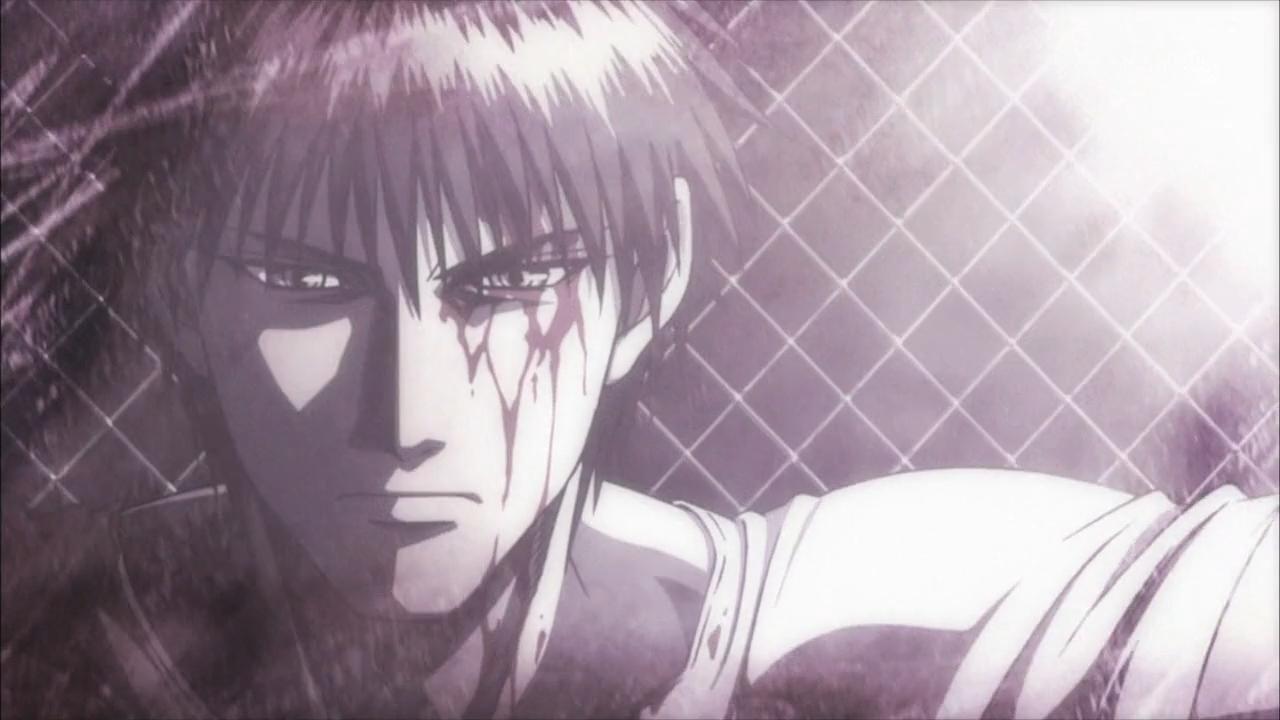
the man, the bro, the gigachad an chan is the oldest of the seven inmates. a troubled man who has learnt to live looking forward, a character with a huge heart and street wisedom that fights every single day to find a bit of happiness in this dark world. He's pretty well developed and is easy to feel him as a natural leader while he guides the boys through that dark path. strong benevolent young man who is treasured by his friends and considered a role model to them and to myself. he quickly gains their respect in a short period of time. he gets beat up by the guards for the sake of his friends and somehow gets used to it. i liked his arc more than the others.Sakuragi knowing of a dark secret that unfolded years ago in the Reform Jail. Is haunted endlessly by a corrupt guard & perverted Doctor, who's goal is nothing more than keep that dark secret from reaching the light of day. Forcing Sakuragi in an empty life behind bars. Following this exhilarating story of the bonds of friendship, dreams, & the struggle for survival.
Art and sound:
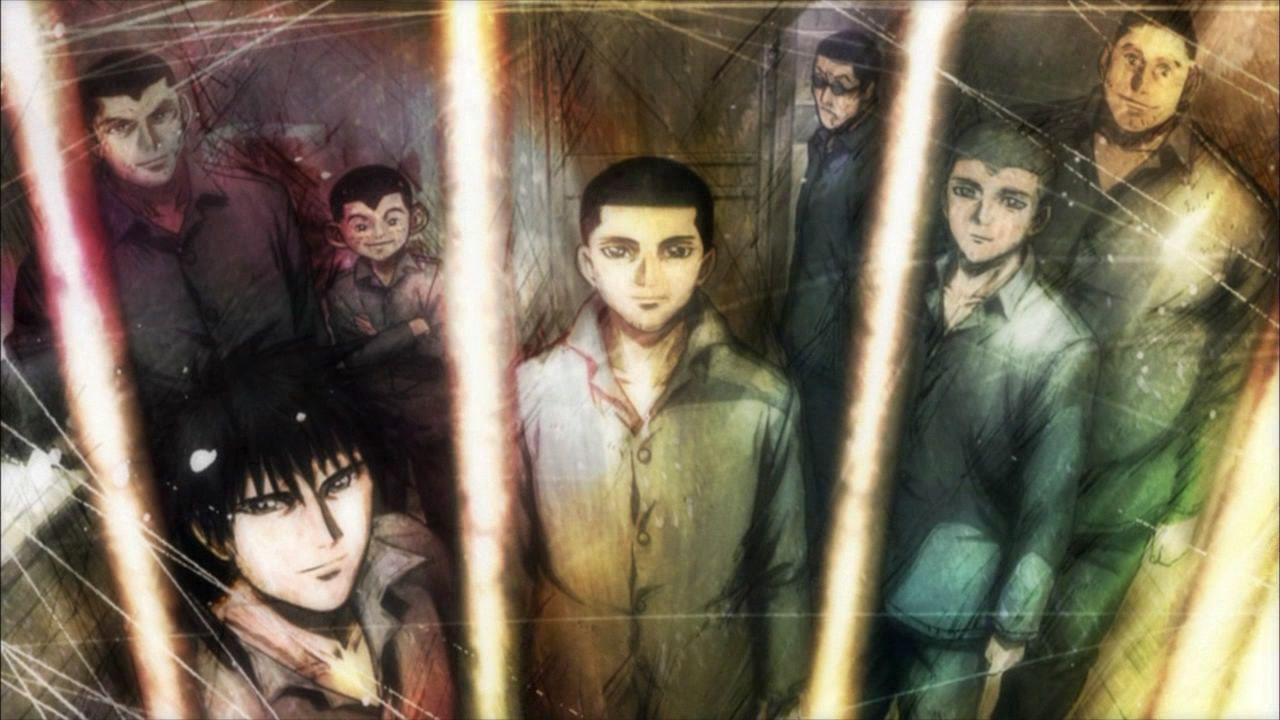
MADHOUSE is madhouse after all. the art fits perfectly with the tone of the series. the animation isnt that bad as well with gorgeous music and a banger opening. the visual style has atmosphere and the painterly stills during key moments are gorgeous, full of emotion. opening is awesome and makes you hyped up to watch the anime and the ending is a good cool down song that makes you just want to process everything that's happened. The OSTs are also very memorable and fitting.
if i break down some of the negatives it would probably be that there are some corny scenes that got me cringe the entire time but really the realistic characters are truly what makes this anime special.
this anime uses the same concept as Shawshank Redemption, Prison Break, Green Mile, all these fantastic dramas have one thing in common: prison. Prison is naturally going to pull viewers in, but why, I don't know. Perhaps its the despair people feel when they are stripped of everything, even their dignity, and how they struggle to survive in their hostile environment. Or maybe its the strong bonds created through prisoners holding on to hope by sharing it with prisoners who understand the pain and sorrow. Whatever the case may be, Rainbow is nothing short of a great prison drama.
Final thoughts:
i enjoyed this alot more than i thought i would, while i wouldnt consider it as a masterpiece, it was a very beautiful mature story. and definitely one of the better animes out their that deserves more recognition. Rainbow gives us the light at the end of the tunnel at just the right times and the strength of the friendship and bond between the seven boys powers the viewer through all the despair. It connects us to the characters even more and you truly end up sympathizing and rooting for these guys throughout the show. It truly is awe-inspiring how the guys kept a positive outlook even in the worst of circumstances. Some elements I particularly liked about this Anime such as the calm demeanour of the narration within the Anime, I felt, added to an effectively compelling atmosphere they were trying to depict and the range of colours and props used throughout the Anime also contributed to an already fixed tonal nature and represents its time period commendably.
TL;DR: good shit plus bros before hoes

diavolo
The moral fable of Rainbow: A closer look at its allegorical coreContinue on AniListObligatory disclaimer that English is not my native language, feel free to point out weird anythings!
I hope that this review offers something of value to both people who have and who haven't yet watched the anime, though if you're very spoiler-averse when it comes to structure, maybe don't read past the first picture. Actual spoilers will be clearly marked. I’ll be focusing mainly on the story’s themes and symbolism rather than its technical execution.
The story of Rainbow takes us to post-war Japan in the 1950s, specifically to a disciplinary school that is essentially a glorified juvenile prison, where we arrive alongside our protagonists at the start of the series. Before diving into the narrative itself, it’s worth briefly looking at what this setting looked like in real life. Post-war Japan was a wreck: the dead and dying people, bombed-out cities, scarce resources, and a generation of kids forced into survival mode long before adulthood. Juvenile crime spiked roughly 160% in the immediate postwar years—not because teens suddenly became evil, but because the entire country was traumatized, demoralized and starving, and this often forced the most vulnerable groups of people to fend for themselves.
This is the world Rainbow drops us into: not a stylized prison fantasy, but a grim reflection of an era where kids were treated as disposable, and the anime doesn’t soften this backdrop. It leans into it and builds its themes directly from it, as we follow our seven protagonists through a meditation on human bonds forged under hardship. It functions almost as a modern fable, with the school serving not only as a setting but as a crucible preparing them for the real story: how do people respond to systemic violence, abuse, and injustice? How do people shaped by trauma navigate a world that refuses to hand out happy endings?

The show treats those questions very seriously, and tackles trauma and injustice with real emotional weight, but not always with real-world logic. Some characters function more as symbols than people, and certain outcomes favor thematic clarity over realism (which I will expand on within a spoiler). This isn’t a flaw, just a stylistic choice, but it's worth noting if you expect a fully grounded and/or nihilistic depiction of post-war hardship.
Many antagonistic characters—like Ishihara, Sasaki, or the prosecutor in charge of Mario—function more as symbolic archetypes or obstacles than fully fleshed individuals, but interestingly, Sakuragi is arguably the most symbolic character: a near Christ-like figure who maintains dignity and values even in the face of cruelty and injustice. His death (or sacrifice) serves to illuminate their circumstances, but he leaves behind the teachings of empathy and inner strength that guide the boys, especially Mario, throughout their circumstances.Some moments also lean more toward idealized outcomes than realistic ones in order to emphasize what could be, like the victim who steps forward during Mario’s second arrest. After we learn she had already been assaulted before Mario found her—and had stayed silent out of fear or shame for the past years—she very quickly changes her mind after seeing how deeply the boys care for Mario. The story isn’t aiming for realism here; it wants to emphasize the transformative power of genuine connection, rather than dwelling on the destructive and restrictive impact of trauma. Still, this idealism may feel at odds with an otherwise grimly realistic story, depending on viewer expectations.
However, despite its moments of symbolic catharsis and idealism, Rainbow avoids offering easy solutions or neat resolutions, not for the sake of prolonged suffering but to reinforce another important message to both the boys and the audience: life rarely goes the way you want, but that shouldn’t stop you from pursuing it anyway. One lost opportunity might lead to another you never expected, but as long as you keep moving, you’ll end up somewhere.
In my opinion, this is one of the most realistically positive messages the series conveys. Life doesn’t hand out tidy victories, and Rainbow doesn’t pretend otherwise. But it insists that even in brutal circumstances, compassion can become a lifeline, and even broken trees might bloom again.
Since Rainbow builds its themes through the people shaped by its world, I also want to address the boys themselves—the symbolic ‘rainbow’ the story revolves around. All of them are lovable despite their flaws and form the emotional core of Rainbow, functioning both as compelling individuals and as a cohesive unit. While the story is at its strongest when they’re together, each has unique traits and personalities. They don’t all share the same level of complexity, but they all feel authentically shaped by their backgrounds and trauma. Even though the anime doesn’t give all of them equal screentime, their distinct voices and genuine bonds make them very engaging to follow.
I won’t be diving into all of the major characters, but I’d like to share a few thoughts on some of them:- Sakuragi’s inner resolve—to never sink below a certain moral threshold, to keep his values intact, and to deny his tormentors any satisfaction—made him particularly compelling to me. His strength isn’t rooted in macho ideals but in empathy and dignity, and the dynamic with Ishihara captures this well: Sakuragi breaks Ishihara not through retaliation but by refusing to acknowledge his projections. He “loses” his life but wins the war Ishihara forced onto him, and despite its tragedy, that outcome really satisfied me.
- Mario is also a great character; I found it quite interesting (and at times worrying) to see how willingly he sacrifices himself for others, and his overall very striking sense of selflessness. He seemed to be lacking a proper sense of self and direction at the start of the story, hence his almost martyr-like tendencies and why he latches onto his first true guiding figure, Sakuragi, eventually going on to live the life Sakuragi couldn’t. While this serves to symbolically embody Sakuragi’s teachings and spirits through Mario, I think it also very nicely rounds out the wish he carved into their tree: for all of the others’ wishes to come true, including Sakuragi’s.
- Uncovered was also really interesting, though he definitely riled me up a lot more (ymmv?) than any other of the boys. Despite his initial plotting against Sakuragi, or his hopeless tunnel vision regarding Eri, one of the moments that impressed me the most was his heartfelt speech to the prosecutor, which unfortunately didn’t move the prosecutor, but definitely moved me. Overall a very nuanced character that I found quite fascinating (and at times a little bit infuriating).
- While not part of the main cast, I really liked Lily too, especially how the story navigates her desire for independence and emancipation alongside her newfound family, exploring the tension between self-determination and the burden—and gift—of caring and being cared for; I have not read the manga yet, but I really hope she sticks around.
Lastly, I also want to mention the animation and sound, in the sense that the presentation of the anime does a good job of reinforcing both the themes and the symbolism of the story. Many scenes take place in bleak, monotone environments, which makes the stylized manga-panel inserts—washed in rainbow gradients to highlight emotionally or morally charged moments—stand out even more as snapshots of both the good and the bad that shape the characters. The narration that accompanies these scenes can come across as overly sentimental at times, bordering on overdramatizing moments that are already dramatic on their own, but it still fits the tone of the series and enhances its almost allegorical quality.

Personally, I had a great time with the anime, and found its structure and presentation very interesting for the kind of story that it is. I think that if you appreciate works like Grave of the Fireflies or even Goodnight Punpun for their unflinching portrayal of tragedy and nihilistic realism, Rainbow might feel too overly idealistic, but if you found those works to be too emotionally draining or challenging, this story enables a much more digestible approach to the darker aspects of life—not by softening the brutality the boys endure, but by insisting that compassion can create hope strong enough to sustain people even in a broken world. The series can anger you and devastate you, but unlike purely nihilistic works, it still leaves you believing in the possibility of something better.
SIMILAR ANIMES YOU MAY LIKE
 ANIME ActionDeadman Wonderland
 ANIME PsychologicalGyakkyou Burai Kaiji: Ultimate Survivor
 MOVIE DramaHotaru no Haka
 ANIME AdventureIma, Soko ni Iru Boku
 ANIME ActionAshita no Joe
 ANIME ActionBANANA FISH
 ANIME ActionTokyo Revengers




SCORE
- (4.05/5)
MORE INFO
Ended inSeptember 29, 2010
Main Studio MADHOUSE
Trending Level 1
Favorited by 2,425 Users